What is Indra Jatra?
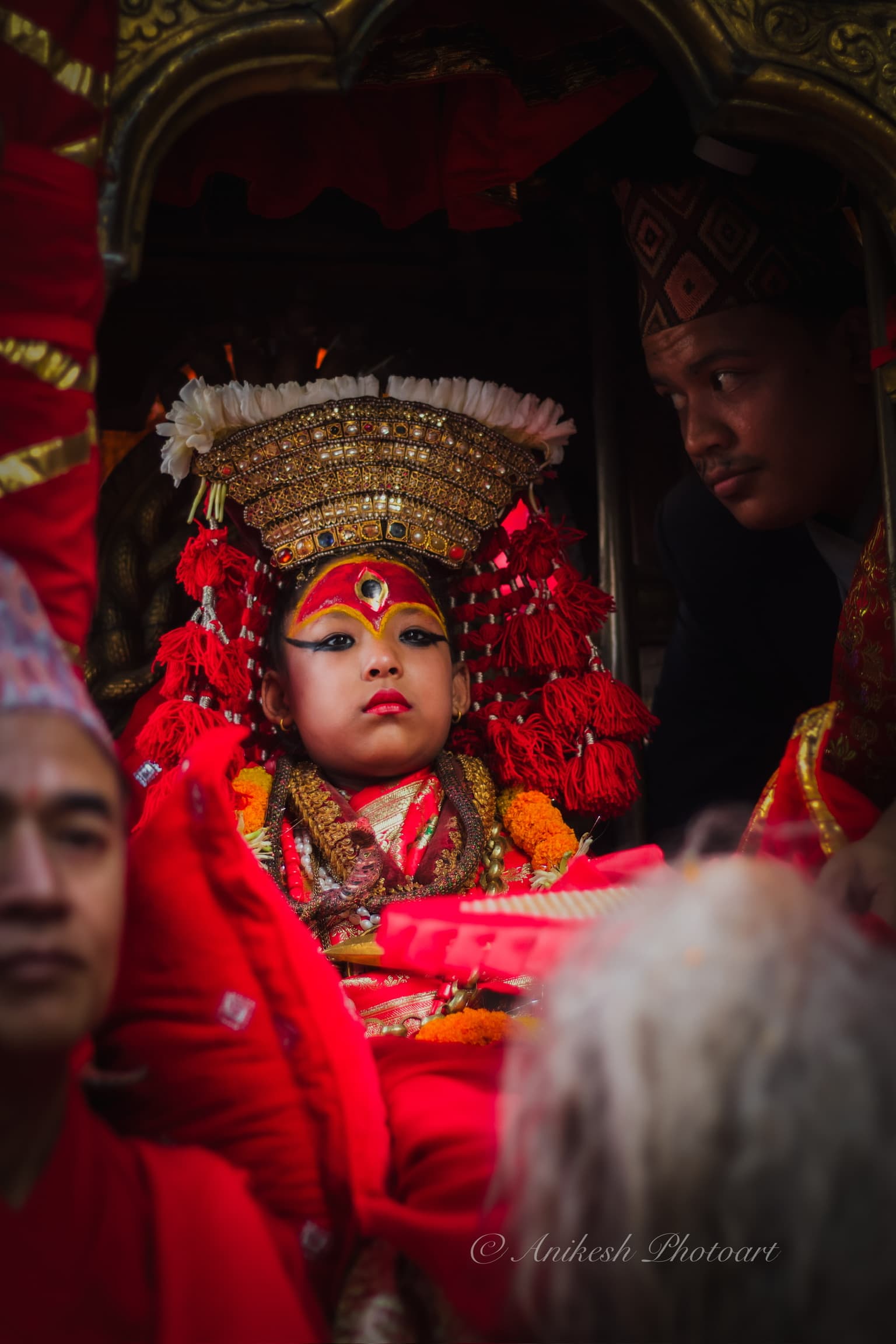
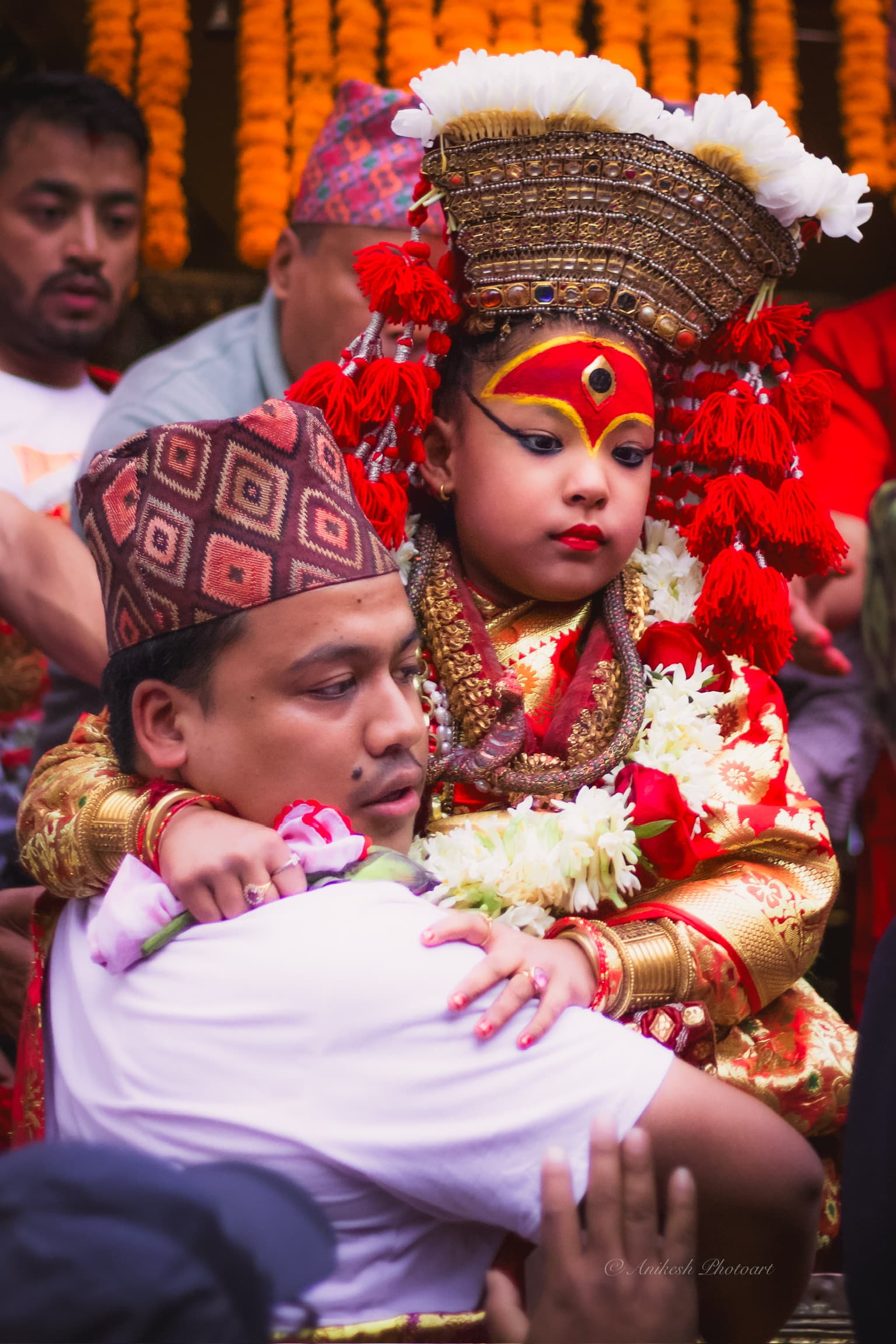
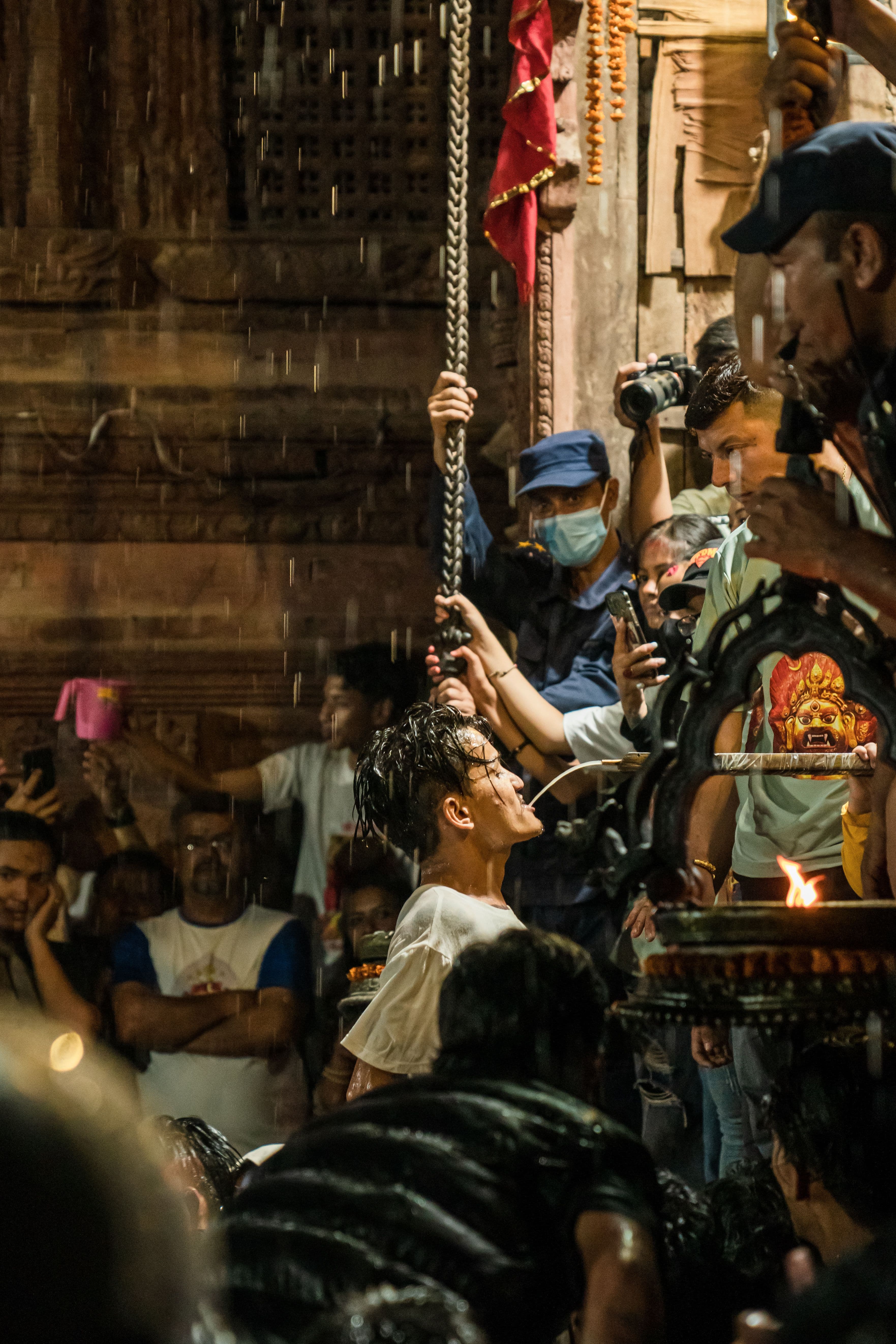
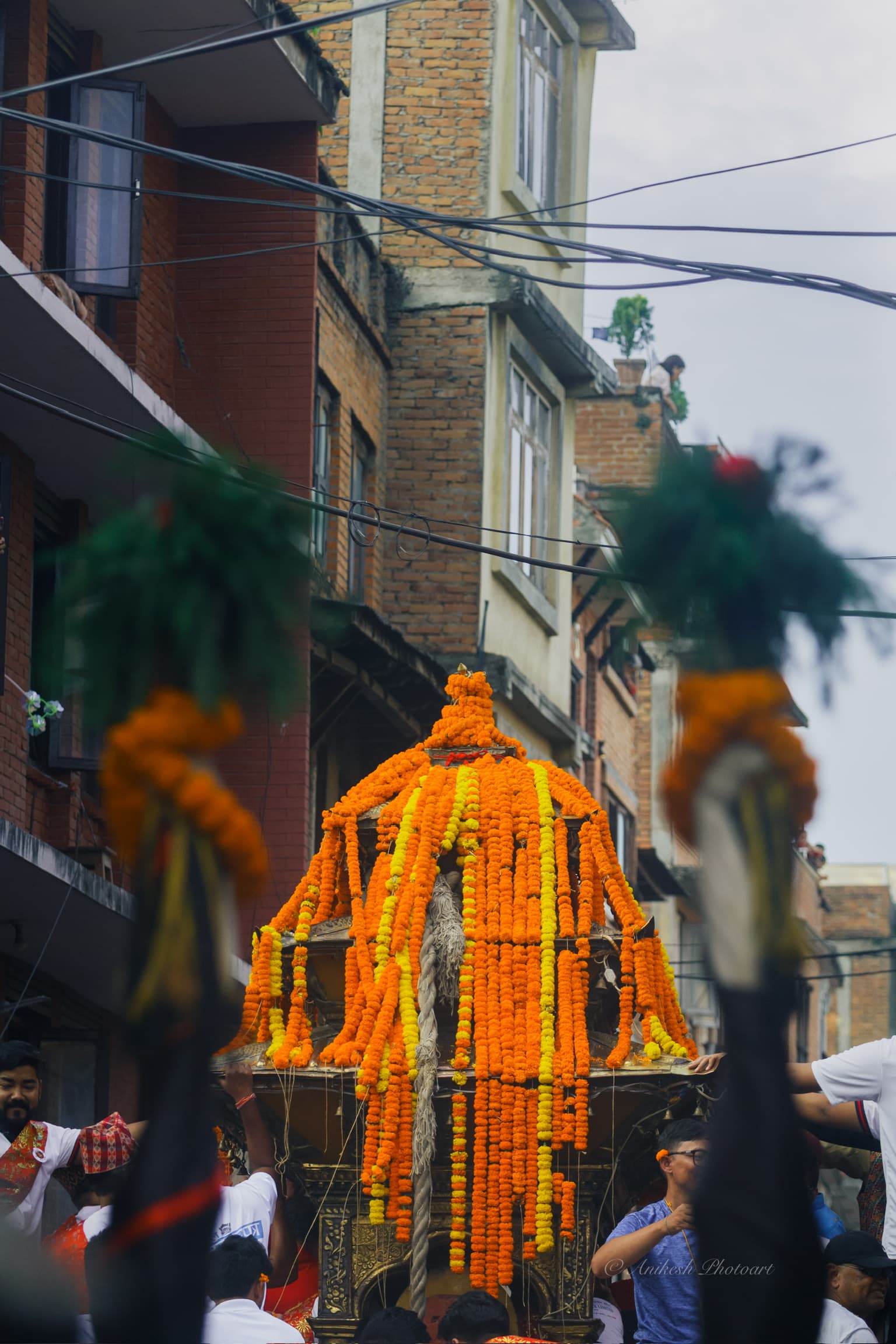
Known as Yenyā in Nepal Bhasa, Indra Jatra is Kathmandu's largest street festival, an eight day sequence of processions, masked dances and sacred displays held in honour of Indra, king of heaven. At its centre is Kumari Jatra, the chariot procession of the Kumari, alongside chariots for Ganesh and Bhairav. Families also use the festival to remember relatives who died in the past year, giving the celebrations a quieter, more reflective undercurrent alongside the noise and colour.
Morning: Into Old Kathmandu
- Gather in Kathmandu Guest House reception at 10:00 a.m.
- Journey on foot to the backstreets to Asan, the oldest bazaar of Kathmandu
- Catch a glimpse of the local life with people purchasing everything from spices to hardware
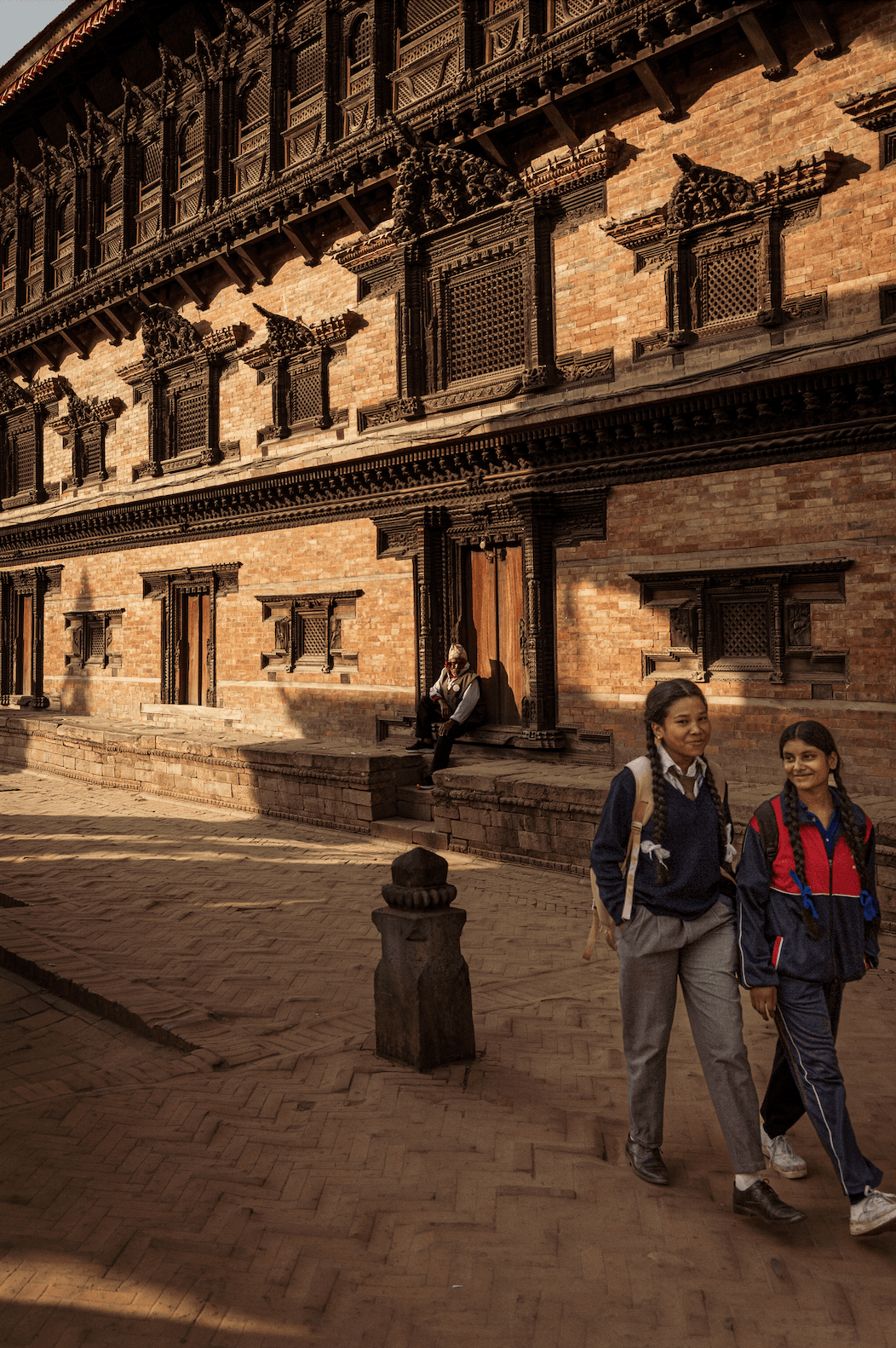
- Picture centuries-old alleyways filled with tiny shops, street vendors, and colourful chaos, layered today with devotees moving from temple to temple ahead of the jatra
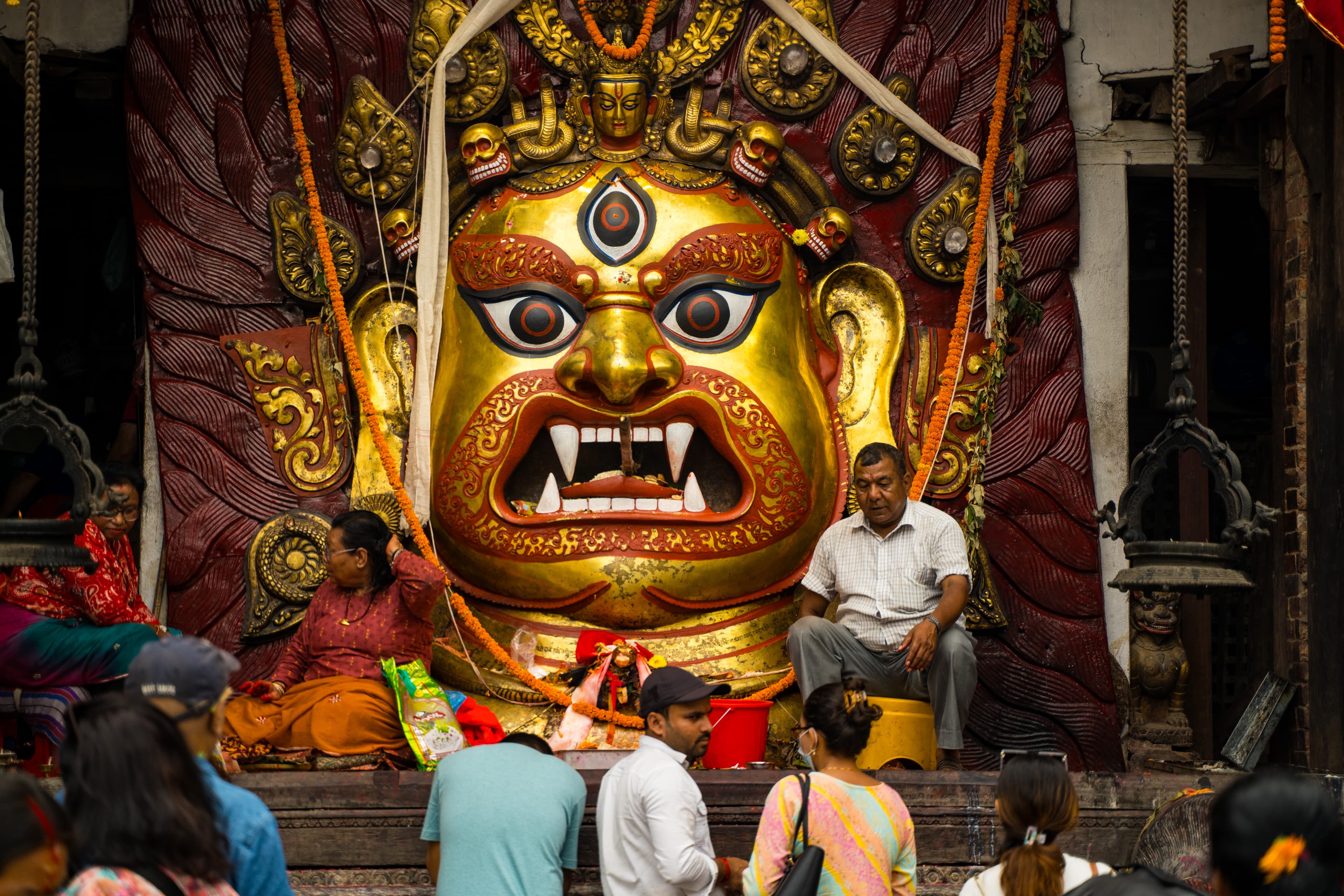
- Your guide leads you through the core route and several of stops, including the shrine of Annapurna, goddess of food, and Seto Machhindranath, god of rain, before reaching Akash Bhairav, where the main statue is brought out for public viewing on this one day a year (the temple itself is normally open only to Hindus)
- Slip into the hidden bahals, ancient monastic courtyards tucked behind temple facades
- These quiet enclaves reveal Kathmandu’s sacred urban design, how faith once shaped every brick and alleyway
Midday: Basantapur (Kathmandu Durbar Square) and Lunch
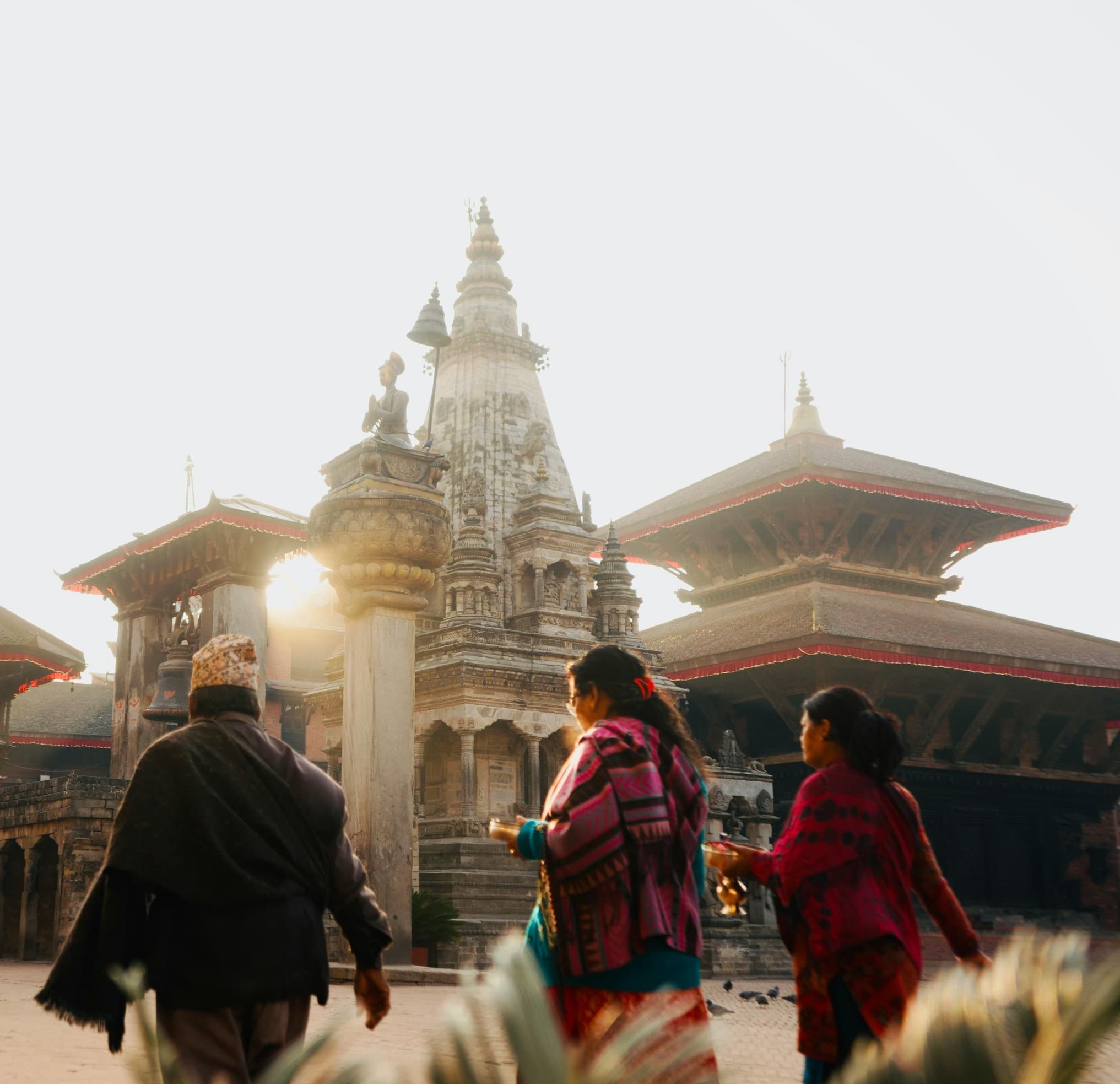
- The route unfolds into Kathmandu Durbar Square (Bansantapur), the ancient royal courtyard and a UNESCO World Heritage Site often called the Museum of Temples
- More than fifty shrines, palaces, and courtyards converge here, tracing the city's history across dynasties and deities
- See devotees worshipping the chariot wheels themselves before they move, and have time simply to take in the atmosphere of a square that has hosted this ritual for centuries
- When hunger sets in, your guide directs you to a local eatery near Basantapur, timed around the day's schedule, before walking to a good vantage point for the main event
Afternoon: Kumari, Ganesh and Bhaiav Jatra
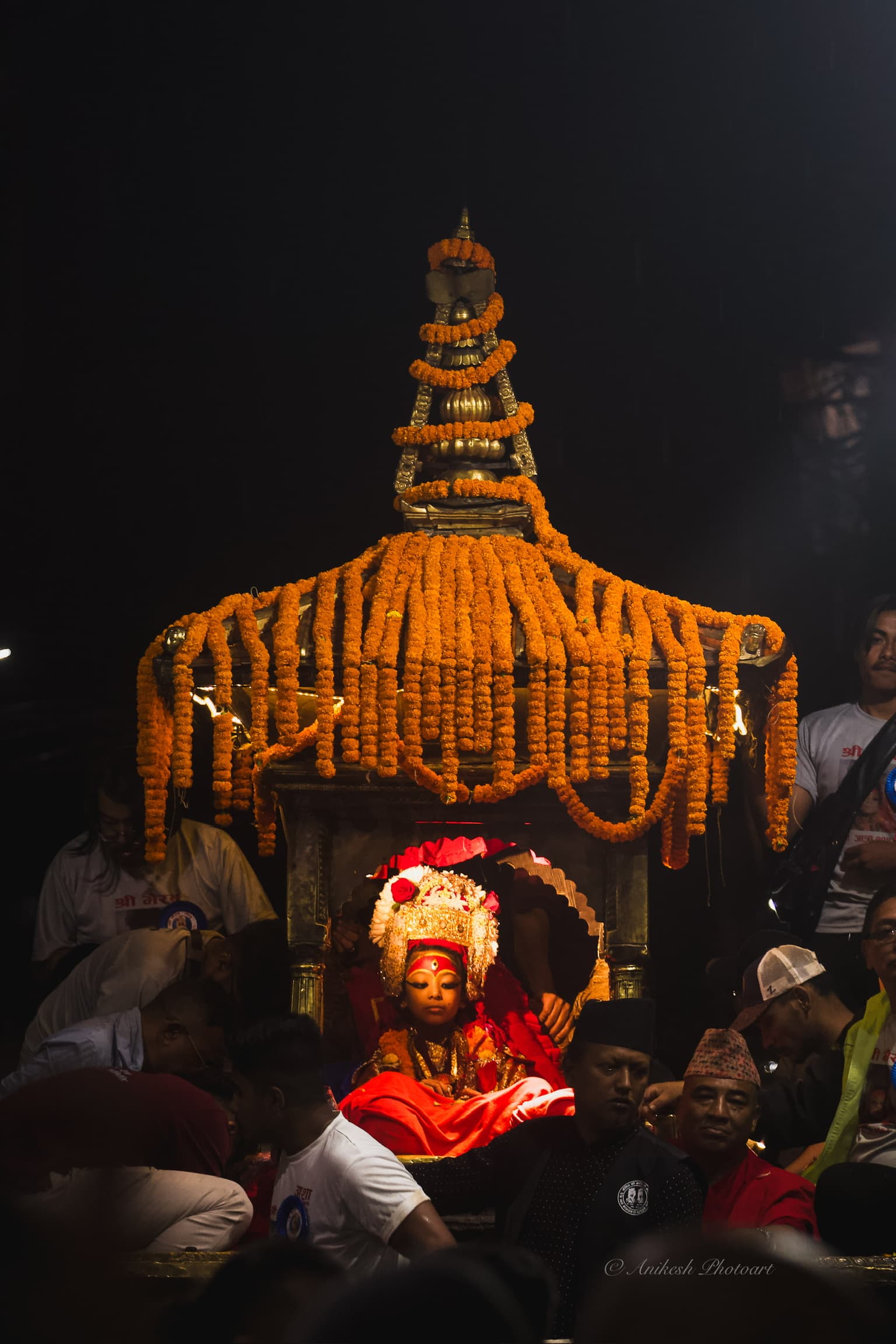
- Time for the centrepiece of today’s jatra: The Kumari who is carried through the city in a towering chariot, along with chariots of Ganesh and Bhairav
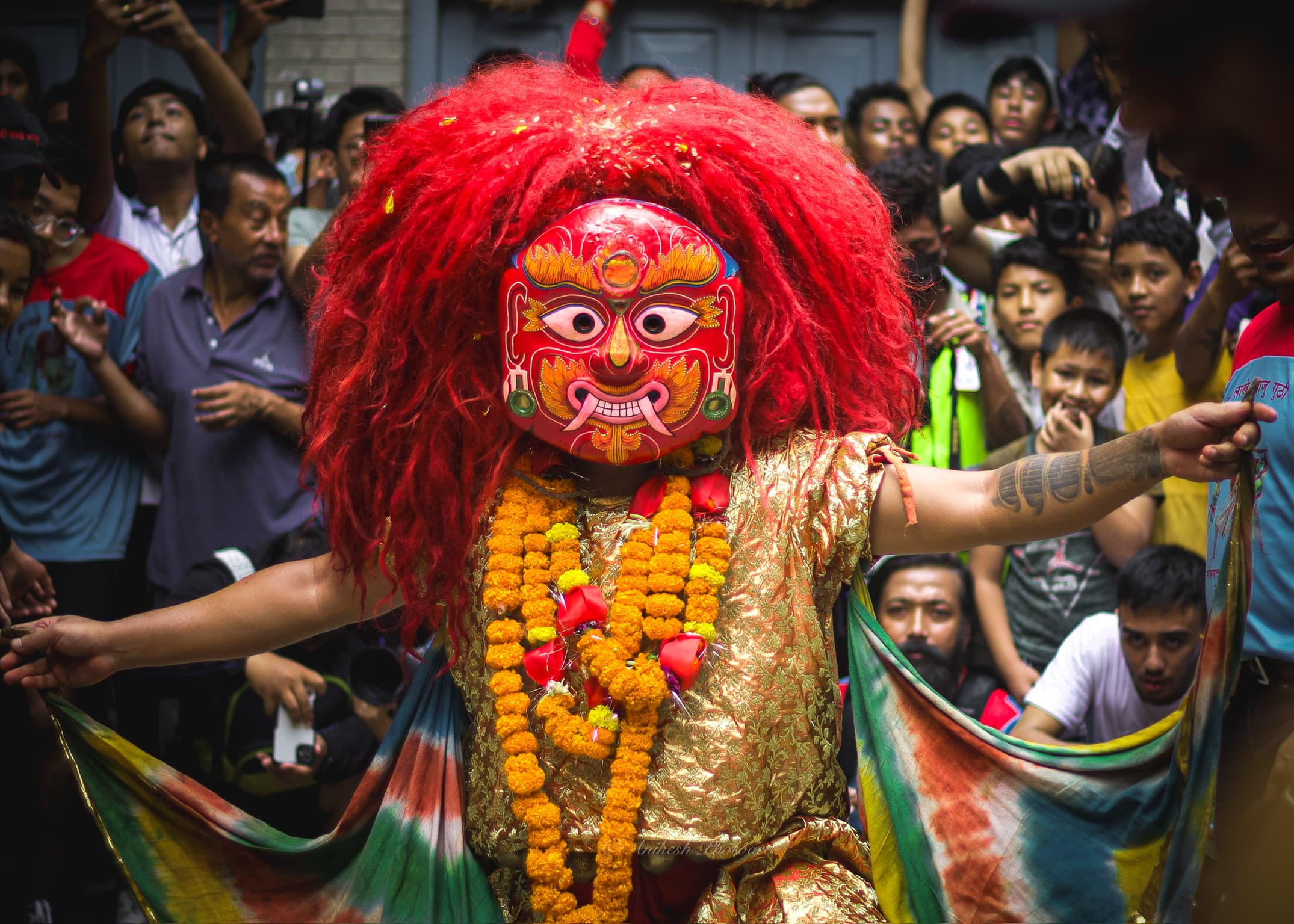
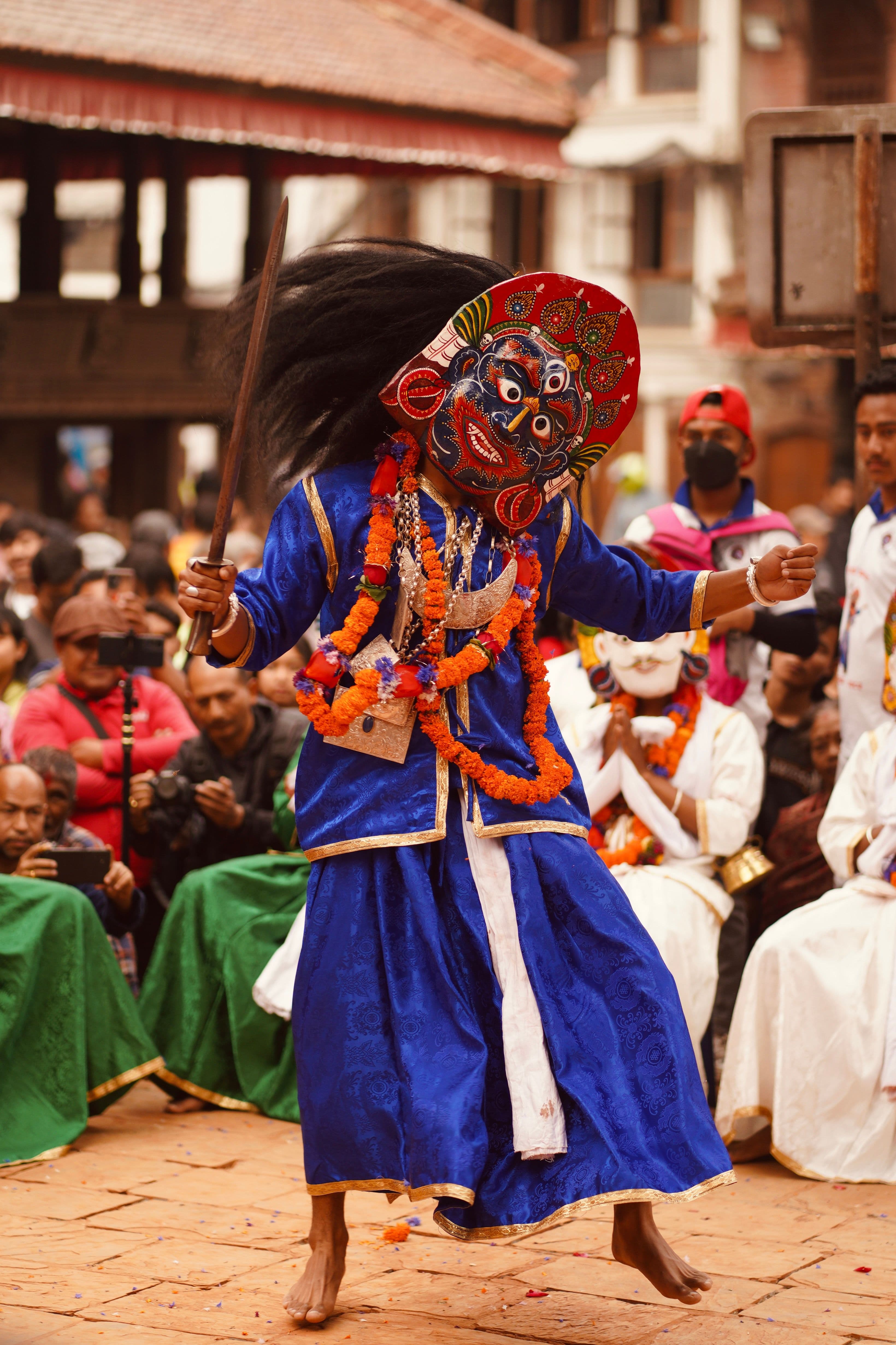
- A red-masked demon, Majipa Lakhey clears the path as he dances through the crowd to crashing cymbals and drums
- This year marks the current Kumari's first public appearance since her selection, the atmosphere carries an added charge
- Beside the Lakhey, in deliberate comic contrast, the Pulu Kisi: a large bamboo and white cloth elephant carried by hidden performers, charges erratically through the streets and occasionally into bystanders
- As evening falls, the mood shifts
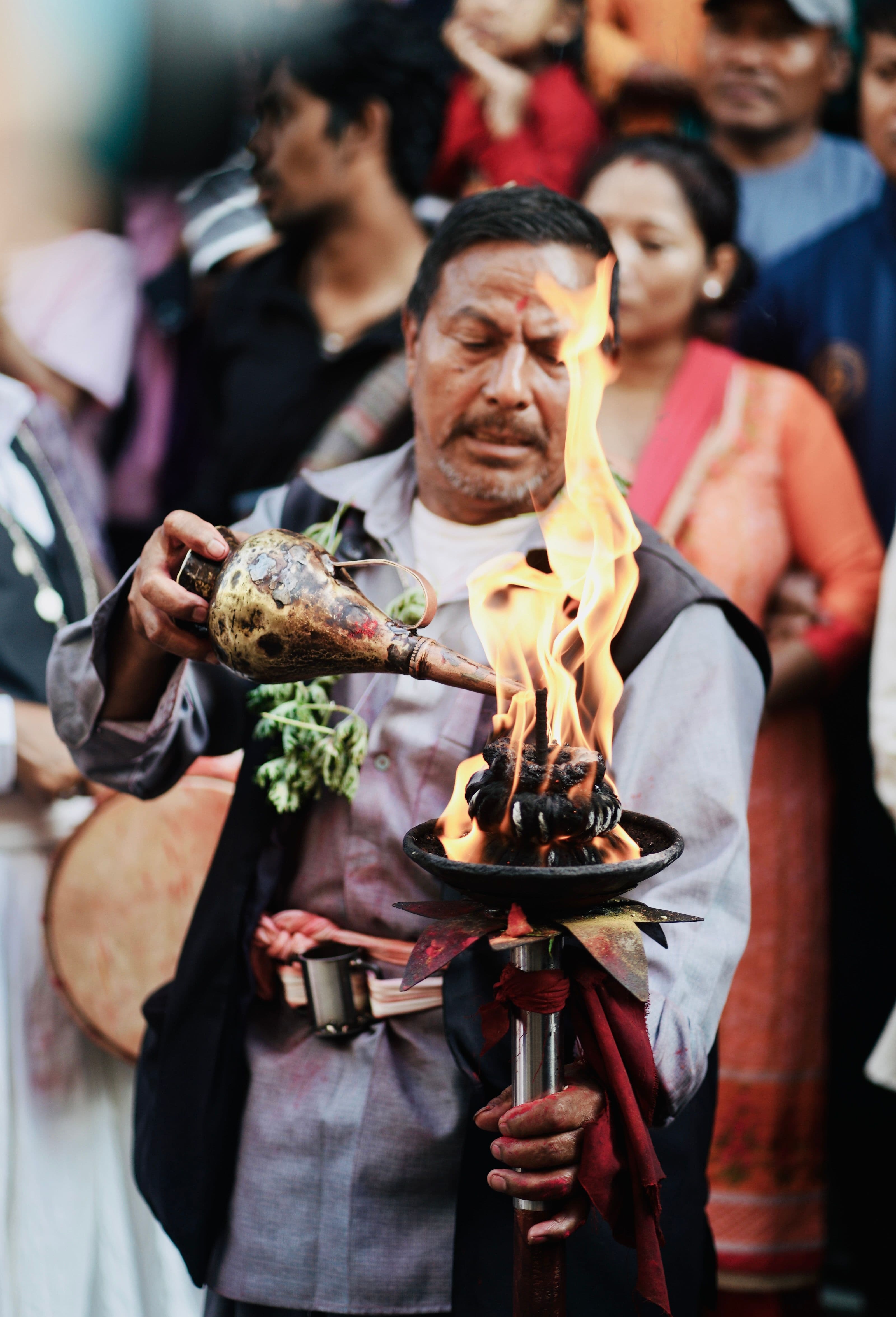
- Bereaved families walk the city's ancient boundaries carrying oil lamps and incense for relatives who have passed in the past year, a solemn counterpoint to the day's chaos
Please note: This is a full day tour, approximately 8hours with limited space (8people). Exact chariot departure times are announced locally shortly before the festival, so timings on the day may shift slightly.
.svg&w=48&q=75)